Cheapest Dental Implant Clinics
Affordable Dental Implants Worldwide: The Complete Guide to Low-Cost Clinics, Treatment Prices, Dental Tourism and Patient Safety
CheapestDentalImplant.com — Your International Dental Implant Clinic Directory
Published: October 23, 2026
Category: Dental Implants | Affordable Dentistry | Dental Tourism | Global Dental Clinic Directory
1. Introduction: Finding Affordable Dental Implants Around the World
Dental implants have become an established treatment option for replacing missing teeth. They can restore chewing function, support replacement teeth, and improve appearance for appropriately selected patients.
However, dental implant treatment can be expensive, particularly when multiple implants, bone grafting, crowns, or full-mouth rehabilitation are required.
For patients facing substantial treatment expenses, researching affordable dental implant clinics in other countries may be worthwhile.
CheapestDentalImplant.com is an independent international dental clinic directory designed to help individuals discover and compare dental implant providers offering competitively priced treatment.
Our objective is to make international dental implant research more accessible while emphasizing professional qualifications, transparent quotations, treatment planning, patient safety, and informed decision-making.
The cheapest advertised procedure is not necessarily the most affordable or appropriate treatment overall. The real objective should be to identify suitable, professionally delivered dental care at a reasonable total cost.
2. What Is a Dental Implant?
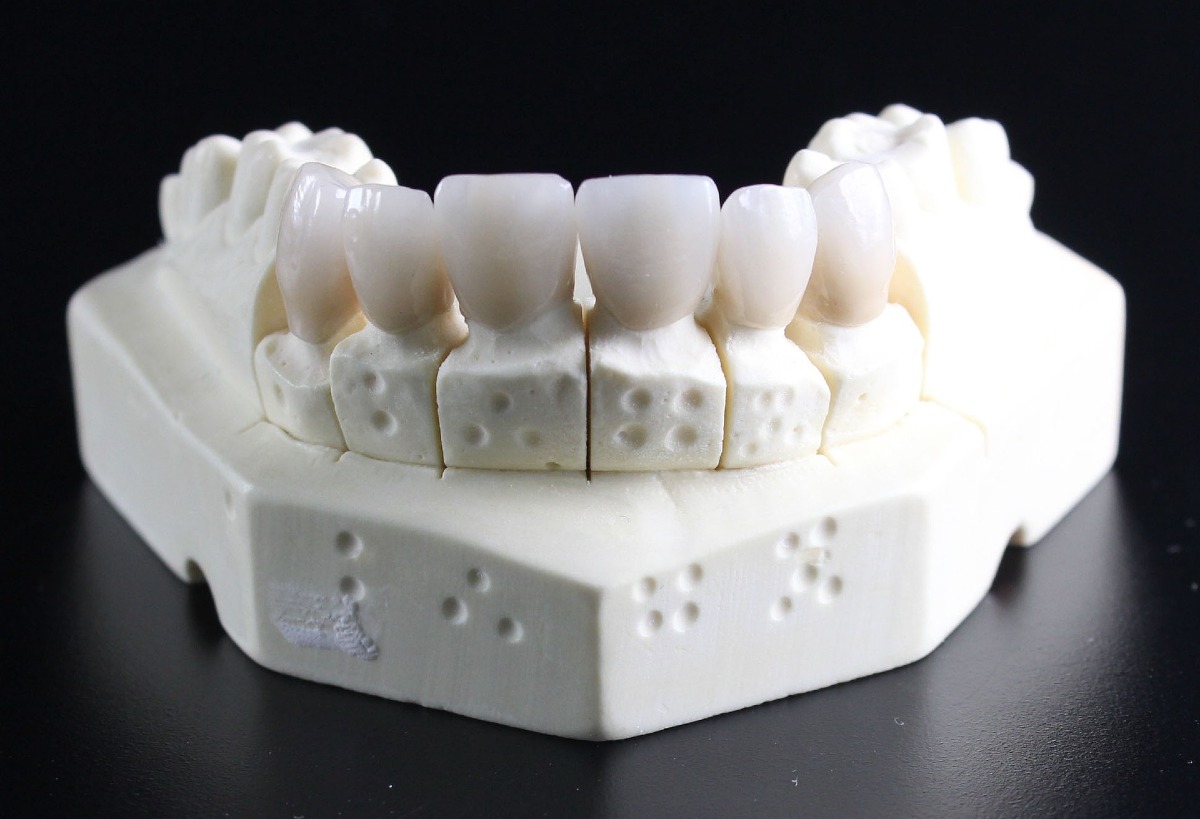
A dental implant is a medical device surgically placed into the jawbone to support a replacement tooth or dental prosthesis.
A typical implant restoration involves three components:
Implant fixture: A post, commonly made of titanium or another suitable material, placed within the jawbone.
Abutment: A connecting component between the implant fixture and the replacement tooth.
Dental crown: The visible artificial tooth designed to restore appearance and function.
Implants may also support bridges or dentures when multiple teeth are missing.
Treatment suitability depends on individual oral health, bone availability, general health, and clinical assessment.
3. Why Are Dental Implants Expensive?
Dental implant treatment involves several stages of professional care.
Costs may include:
Dental examinations and consultations
Diagnostic imaging
Treatment planning
Surgical procedures
Implant components
Abutments and crowns
Bone grafting where required
Laboratory services
Temporary restorations
Follow-up appointments
Long-term maintenance
Fees also reflect professional expertise, equipment, laboratory costs, local operating expenses, and the complexity of the case.
Patients should compare complete treatment plans rather than isolated implant placement prices.
4. Why Do Dental Implant Prices Differ Between Countries?
Dental treatment costs vary internationally for several reasons.
These include differences in:
Local wages and operating expenses
Clinic property and equipment costs
Dental laboratory charges
Currency exchange rates
Taxes and regulatory requirements
Professional fees
Competition between clinics
Implant systems and restorative materials
Patient service arrangements
A clinic operating in a country with lower overhead expenses may offer a lower price than a comparable clinic elsewhere.
However, lower national costs do not automatically establish the quality, safety, or suitability of an individual clinic.
5. Countries Patients Commonly Research for Affordable Dental Implants
International patients often explore dental implant treatment in several countries.
These destinations are examples for research, not a verified ranking of the world's cheapest clinics.
Mexico
Mexico is a frequently considered dental tourism destination, particularly for patients travelling from the United States and Canada.
Patients may research clinics in border cities and larger metropolitan areas.
Before booking, verify the treating dentist's qualifications, facility standards, treatment schedule, and arrangements for follow-up care.
Turkey
Turkey is a destination that international patients may consider for implant-supported restorations and full-mouth dental rehabilitation.
Some clinics market coordinated treatment and travel packages.
Patients should examine whether quotations include implant placement, temporary teeth, final restorations, and any required return visits.
India
India has dental clinics serving domestic and international patients across major cities.
Patients may compare implant systems, clinician qualifications, imaging facilities, laboratory services, and treatment costs.
A detailed written plan is particularly important when multiple procedures are proposed.
Thailand
Thailand is another country considered by international patients seeking dental services.
Clinic selection should focus on individual practitioner qualifications, treatment planning, infection prevention, and continuity of care.
Hungary
Hungary has an established reputation as a European dental tourism destination.
Patients considering treatment there should compare complete quotations, professional registration, and travel requirements.
Poland
Poland offers dental services in several major cities and may be considered by patients travelling within Europe.
Prices and clinical capabilities differ among providers.
Vietnam
Vietnam is also researched for international dental treatment.
Patients should verify professional licensing, communication arrangements, treatment materials, and post-operative support.
Other Destinations
Patients may also investigate clinics in countries such as Malaysia, Costa Rica, Colombia, the Philippines, and other locations.
Important: No country is automatically the cheapest, safest, or best choice for every patient. Individual treatment requirements and verified clinic information are more important than general country rankings.
6. How Much Do Dental Implants Cost Worldwide?
Dental implant prices vary considerably.
A quoted price may refer only to surgical placement of the implant fixture, while another quote may include the implant, abutment, crown, imaging, and follow-up appointments.
Therefore, a low advertised price cannot be interpreted as the complete treatment cost without further clarification.
Patients should request an itemized quotation covering:
Initial examination
X-rays or CBCT imaging, if clinically indicated
Tooth extraction, if required
Bone grafting or sinus augmentation, if required
Implant fixture and brand
Abutment
Temporary restoration, if required
Final crown, bridge, or denture
Medications
Follow-up visits
Potential additional procedures
Applicable taxes and administrative fees
For international treatment, travel and accommodation must also be considered.
CheapestDentalImplant.com encourages clinics to provide transparent, clearly explained quotations.
7. Understanding Single-Tooth Dental Implants
A single-tooth implant may be considered when one tooth is missing and an implant-supported crown is clinically appropriate.
Treatment commonly involves assessment, surgical placement, healing, and final restoration.
The exact sequence depends on bone conditions, oral health, implant stability, and the dentist's treatment plan.
Patients should ask whether the quoted price includes both the implant fixture and final crown.
8. Multiple Dental Implants
When several teeth are missing, treatment options may include:
Individual implants and crowns
Implant-supported bridges
Implant-supported removable dentures
Fixed full-arch restorations
The most appropriate option depends on the number and location of missing teeth, available bone, oral hygiene, functional requirements, and financial considerations.
A comprehensive examination is necessary before selecting a treatment.
9. All-on-4 Dental Implants
All-on-4 is a treatment concept involving a full-arch prosthesis supported by four strategically placed dental implants.
It may be suitable for selected patients requiring replacement of an entire upper or lower dental arch.
However, not every patient is a candidate.
Important considerations include:
Bone availability
Implant positioning
Existing dental conditions
Bite forces
Prosthetic design
Surgical complexity
Maintenance requirements
Patients should understand whether the quotation includes a temporary prosthesis, final prosthesis, or both.
10. All-on-6 Dental Implants
All-on-6 generally describes a full-arch restoration supported by six implants.
The number of implants selected depends on clinical factors rather than an assumption that more implants always produce a better outcome.
Patients should compare the dentist's proposed treatment plan, expected maintenance, and complete costs.
A qualified dental professional should explain the advantages and disadvantages of available options.
11. Full-Mouth Dental Implants
Full-mouth dental rehabilitation may involve replacing multiple missing or severely compromised teeth.
Treatment can include fixed implant-supported bridges, removable implant-supported dentures, or combinations of different restorations.
Such procedures may require extensive planning and several appointments.
Patients should be cautious about advertisements promising immediate permanent teeth for everyone.
The timing and feasibility of treatment depend on individual clinical circumstances.
12. Same-Day and Immediate-Load Dental Implants
Some patients may qualify for immediate implant placement or provisional teeth shortly after surgery.
However, these are not suitable for every case.
Immediate placement, immediate loading, and final restoration are different clinical concepts.
A temporary tooth fitted on the day of surgery should not automatically be described as a completed permanent restoration.
Patients should ask which stages are included and whether additional visits will be necessary.
13. Titanium Versus Zirconia Dental Implants
Titanium implants have a long history of clinical use.
Zirconia implants are another option available in selected situations.
Material selection depends on the patient's clinical requirements, the available implant systems, practitioner experience, and supporting evidence.
Patients should discuss the benefits, limitations, maintenance considerations, and long-term evidence for the proposed system.
14. Bone Grafting and Sinus Lift Procedures
Some patients lack sufficient bone to support an implant in the intended position.
A dentist may recommend bone augmentation or a sinus lift, depending on the clinical findings.
These procedures can increase treatment costs and extend the treatment timeline.
Not every patient requires bone grafting.
Any additional procedure should be supported by an individualized diagnosis and clearly explained before consent.
15. The Dental Implant Treatment Process
A typical treatment pathway may include several stages.
Stage 1: Consultation and Examination
The dentist evaluates oral health, medical history, missing teeth, gum condition, and available bone.
Stage 2: Diagnostic Planning
Imaging and other diagnostic procedures may be used to develop a treatment plan.
Stage 3: Preparatory Treatment
Extractions, periodontal treatment, or bone augmentation may be necessary.
Stage 4: Implant Placement
The implant fixture is surgically placed.
Stage 5: Healing
The surrounding bone and tissues heal. This process may take several months, depending on the case.
Stage 6: Final Restoration
An abutment and crown, bridge, or denture are fitted according to the treatment plan.
Stage 7: Maintenance
Regular professional reviews and daily oral hygiene remain important.
Individual timelines vary.
16. Are Dental Implants Painful?
Dental implant placement is generally performed using appropriate anesthesia.
Patients may experience swelling, soreness, bruising, or temporary discomfort after surgery.
The intensity and duration of symptoms depend on the procedure and individual circumstances.
Dentists should explain expected recovery, pain-management options, and warning signs requiring professional attention.
Persistent or worsening pain, fever, unusual swelling, or other concerning symptoms should be evaluated promptly.
17. How Long Do Dental Implants Last?
Dental implants may function for many years, but no implant should be represented as guaranteed to last a lifetime.
Longevity depends on factors such as:
Oral hygiene
Gum and bone health
Smoking
General health
Implant positioning
Prosthetic design
Bite forces
Regular professional maintenance
Crowns and other prosthetic components may require repair or replacement even when the implant remains stable.
18. What Are the Risks of Dental Implant Surgery?
Like other surgical procedures, dental implant treatment carries risks.
Potential complications include:
Infection
Bleeding
Injury to nearby structures
Nerve-related symptoms
Sinus complications
Poor healing
Implant loosening or failure
Inflammation around implants
Problems with crowns or prostheses
A dentist should discuss relevant risks, alternatives, expected benefits, and likely treatment outcomes before obtaining informed consent.
19. Who May Not Be a Suitable Candidate?
Dental implants may be unsuitable or require additional precautions for some patients.
Factors that can affect treatment planning include:
Uncontrolled periodontal disease
Inadequate bone support
Certain uncontrolled medical conditions
Smoking
Some medications
Poor oral hygiene
Conditions affecting healing
Previous radiotherapy involving the jaws
Inability to complete necessary follow-up care
These factors do not automatically exclude every patient.
Eligibility must be determined through professional clinical assessment.
20. Dental Implants Versus Dental Bridges
A dental bridge replaces missing teeth by using adjacent teeth or other supporting structures.
An implant-supported crown is supported by an implant placed in the jawbone.
Each option has advantages, limitations, and costs.
The American Dental Association encourages patients to receive a comprehensive examination and discuss reasonable alternatives before proceeding with complex implant treatment.
Preserving healthy natural teeth should remain an important consideration.
21. Dental Implants Versus Dentures
Traditional dentures are removable prostheses used to replace missing teeth.
Implant-supported dentures may provide additional retention for some patients.
Fixed implant-supported restorations offer another option.
The choice depends on oral health, bone availability, maintenance requirements, personal preferences, and cost.
A qualified dentist should explain all suitable alternatives.
22. Why Patients Consider Dental Tourism
Patients may travel internationally for dental implants because of:
Potentially lower treatment costs
Access to particular clinicians or services
Family or cultural connections
Language preferences
Geographic convenience
Treatment availability
However, travelling abroad for dental surgery introduces additional considerations.
Patients must evaluate clinical quality, communication, recovery time, travel costs, and access to follow-up care.
23. Important Risks of International Dental Tourism
Dental tourism can create challenges beyond those associated with receiving treatment close to home.
These may include:
Differences in professional licensing requirements
Variable infection prevention practices
Communication barriers
Difficulty arranging follow-up appointments
Additional travel for complications
Unclear refund or dispute procedures
Different legal remedies
Insurance limitations
Incomplete transfer of medical records
Patients should never assume that a clinic is safe solely because it advertises internationally or offers an attractive treatment package.
24. How to Verify a Dental Implant Clinic
Before selecting a clinic, consider the following checklist.
Professional Licensing: Confirm that the treating dentist is appropriately registered with the relevant national or regional dental regulator.
Clinical Experience: Ask about training and experience with the specific procedure being proposed.
Treatment Planning: Request an individualized plan based on appropriate clinical assessment.
Implant Systems: Ask for the manufacturer, brand, and model of the implant system.
Infection Prevention: Ask about sterilization and infection control procedures.
Diagnostic Facilities: Confirm access to appropriate imaging and clinical assessment.
Written Quotation: Obtain an itemized treatment estimate.
Patient Communication: Ensure that treatment risks and alternatives are explained in a language you understand.
Follow-Up Care: Confirm who will manage post-operative appointments and complications.
Independent Verification: Check professional registrations and facility credentials through appropriate official sources.
A directory listing or advertising payment is not proof of clinical competence.
25. Ten Questions to Ask Before Booking Dental Implants Abroad
Who will personally perform my surgery?
What are the dentist's qualifications and registration details?
Which implant brand and model will be used?
Does the price include the abutment and final crown?
Will I need bone grafting or additional procedures?
How many visits and trips are expected?
What complications are possible?
What happens if an implant fails?
What follow-up care will be required after returning home?
Can I receive a complete written treatment plan and itemized quotation?
Patients should obtain satisfactory answers before making financial or travel commitments.
26. The Hidden Costs of Cheap Dental Implants
A low initial quotation may not reflect the final amount paid.
Additional costs may include:
Flights
Hotels
Ground transportation
Diagnostic tests
Extractions
Bone grafting
Temporary teeth
Final crowns or bridges
Additional appointments
Travel insurance
Return trips
Treatment complications
Follow-up care at home
An apparently inexpensive treatment may become substantially more costly when these expenses are included.
27. Comparing the True Total Cost
Consider two hypothetical clinic quotations.
Clinic A: Advertises implant placement at $500, excluding the abutment, crown, imaging, and follow-up appointments.
Clinic B: Quotes $1,100 for a package including implant placement, abutment, crown, and specified follow-up services.
These amounts are illustrative only, not verified market prices.
Clinic A may initially appear cheaper, but the complete cost cannot be determined until every component is included.
Patients should compare equivalent treatments and services.
28. Planning Travel for Dental Implant Treatment
Before arranging international dental treatment:
Obtain a local dental assessment where practical.
Review the proposed treatment with a qualified professional.
Verify the overseas clinic and treating dentist.
Understand the number of visits required.
Allow appropriate recovery time.
Discuss when flying will be medically appropriate.
Arrange follow-up care after returning home.
Check insurance coverage and exclusions.
Retain copies of medical records and imaging.
Budget for possible complications or delays.
Dental surgery should not be treated as an ordinary sightseeing activity.
29. Why Follow-Up Care Matters
Dental implant treatment does not end when the implant is placed.
Patients may require healing assessments, restorative appointments, bite adjustments, hygiene visits, and long-term monitoring.
International patients should establish who will provide care if discomfort, loosening, infection, or other complications arise after returning home.
Follow-up costs should be considered before booking treatment.
30. Dental Implant Maintenance and Oral Hygiene
Good oral hygiene and regular dental visits are important for maintaining implant-supported restorations.
Patients should follow their dentist's instructions regarding:
Daily brushing
Cleaning around implants
Interdental cleaning
Professional hygiene visits
Monitoring gum health
Avoiding damaging habits
Attending recommended follow-up appointments
An implant cannot develop tooth decay in the same way as a natural tooth, but the surrounding tissues can develop inflammatory disease.
31. Dental Implant Financing and Payment Plans
Some clinics may offer installment payments or financing arrangements.
Patients should review:
Total treatment price
Deposit requirements
Interest rates
Financing fees
Repayment schedules
Cancellation conditions
Refund terms
Currency conversion charges
Financing decisions should be made only after the clinical treatment plan and available alternatives have been explained.
32. Can Dental Insurance Cover Implants?
Dental insurance coverage varies by insurer, policy, country, and treatment circumstances.
Some plans may cover selected components or related procedures, while others exclude implants entirely.
Patients should request written confirmation of coverage before treatment.
International treatment may be subject to additional restrictions.
33. How CheapestDentalImplant.com Helps Patients
CheapestDentalImplant.com is intended to serve as an international research and discovery platform for people comparing dental implant clinics.
Depending on available participating listings, visitors may be able to explore clinics by:
Country
City
Treatment type
Single-tooth implants
Multiple implants
Full-mouth rehabilitation
All-on-4 procedures
All-on-6 procedures
Implant-supported dentures
Clinic contact information
Website links
Available pricing information
Our objective is to encourage transparent comparisons and informed contact with independent providers.
Actual clinic coverage and available information depend on published listings.
34. Why Transparent Clinic Listings Matter
Patients researching dental implants need more than promotional slogans.
A useful clinic profile should identify:
The clinic's legal business name
Physical address
Contact information
Treating dentist or clinical team
Professional qualifications
Available treatments
Implant systems used
Pricing scope
Consultation requirements
Follow-up arrangements
Relevant cancellation and refund terms
Clinics should distinguish estimated prices from final treatment quotations.
Any sponsored placement should be clearly identified.
35. A Message to Dental Implant Clinics Worldwide
Are you a dental clinic offering competitively priced dental implant treatment?
CheapestDentalImplant.com welcomes inquiries from eligible dental clinics interested in presenting their services to an international audience.
Potential directory advertising features may include:
Dedicated clinic profiles
Business descriptions
Clinic photographs
Dental implant treatment categories
Professional qualification information
Clinic location and contact details
Website links
General price information
Featured advertising placements
Participating clinics are responsible for the accuracy of their information, professional representations, clinical services, and compliance with applicable laws.
Paid or sponsored listings should be clearly identified.
Advertising does not guarantee patient inquiries, consultations, bookings, or revenue.
36. Our Commitment to Responsible Dental Tourism Information
At CheapestDentalImplant.com, we believe patients deserve access to clear information when considering dental implant treatment at home or abroad.
Our directory aims to support:
Transparent treatment information
Responsible clinic advertising
Accurate professional representations
Meaningful price comparisons
Patient awareness of surgical risks
Independent verification of credentials
Informed decisions about international treatment
Affordability should never come at the expense of informed consent or patient safety.
37. Conclusion: Affordable Dental Implants Without Compromising Informed Decision-Making
Dental implants can provide a valuable option for replacing missing teeth, but successful treatment requires more than finding the lowest advertised price.
Patients should consider the experience of the treating dentist, clinical diagnosis, treatment materials, facility standards, total expenses, recovery arrangements, and long-term maintenance.
International dental tourism may offer financial advantages in certain circumstances, but additional travel and follow-up considerations must be carefully evaluated.
CheapestDentalImplant.com is designed to help individuals discover dental implant clinics around the world, compare available information, and contact independent providers for individualized quotations.
Compare Clinics. Understand the Costs. Verify Qualifications. Make Informed Decisions.
Important Medical and Directory Disclaimer
CheapestDentalImplant.com is an independent international dental clinic information and advertising directory.
We are not a dental clinic, dental practice, medical institution, professional regulatory authority, or provider of dental treatment.
Information published on this website is intended for general educational and directory purposes only.
We do not diagnose dental conditions, recommend individualized treatment, independently guarantee clinic qualifications, or certify the safety or outcomes of any listed provider.
Dental implants involve surgical risks. Patients should obtain an individualized assessment from a qualified, appropriately licensed dental professional.
Treatment prices, availability, materials, and procedures may change. Patients should obtain written quotations directly from clinics.
The term "cheapest" in our website name describes our focus on affordable treatment discovery. It does not represent a guarantee that any listed clinic offers the lowest price worldwide.
Paid or sponsored listings should be clearly identified and should not be interpreted as clinical endorsements.
© 2026 CheapestDentalImplant.com. All Rights Reserved.